
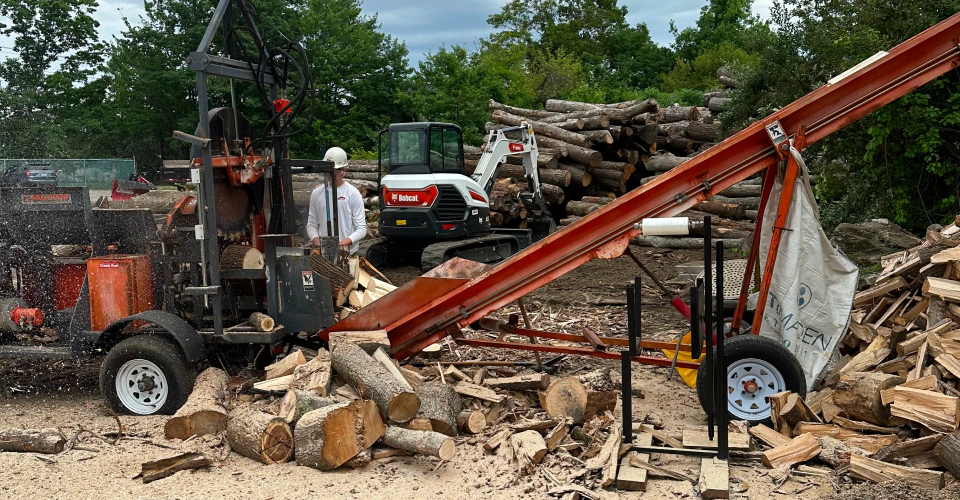
Why moisture content determines your firewood’s performance
Freshly cut timber contains 40 to 60 percent moisture by weight, making it unsuitable for efficient burning. When you attempt to burn green wood, most of the fire’s energy evaporates water instead of producing usable heat. This creates thick smoke, excessive creosote buildup in chimneys, and frustratingly low temperatures that fail to warm your space adequately.
The target moisture content for properly seasoned firewood sits between 15 and 20 percent. At this level, wood ignites quickly, burns cleanly, and delivers maximum BTU output per cord. Testing moisture requires an inexpensive moisture meter inserted into a freshly split face, not the bark surface where readings mislead. Maine’s humid coastal air and damp spring seasons extend drying times compared to drier climates, so patience becomes essential.
Hardwoods like oak, maple, and ash common throughout Portland demand 12 to 18 months of seasoning under ideal conditions. Softwoods such as pine season faster, typically within 6 to 9 months, but burn quicker and produce less heat per volume. Starting your seasoning process in late spring allows wood to dry through summer’s warmth and fall’s lower humidity, positioning you perfectly for winter heating demands.
Quality suppliers understand these timelines and provide wood that has already undergone proper seasoning. When you source from experienced providers, you eliminate guesswork and ensure your investment delivers the warmth and efficiency you expect from day one.
Strategic stacking techniques that maximize airflow and protect your wood
Proper stacking transforms seasoning from a multi-year ordeal into a predictable, efficient process. The fundamental principle involves maximizing airflow around each piece while maintaining structural stability. Traditional single-row stacks with pieces laid perpendicular at each end create self-supporting structures that require no additional framework and promote consistent air circulation through the pile.
Elevate your stack at least four inches off the ground using concrete blocks, pressure-treated lumber, or pallets to prevent ground moisture from wicking upward into bottom layers. This proves particularly crucial in Portland, where spring thaw and autumn rains saturate soil for extended periods. Space between individual pieces should measure roughly one inch, allowing wind to penetrate the stack without sacrificing stability.
The ideal stack height reaches four to five feet. Taller stacks risk collapse and create uneven drying, with top layers seasoning faster than compressed bottom sections. Orient your rows in the prevailing wind direction to maximize natural ventilation. Maine’s southwestern winds during summer months provide excellent drying conditions when stacks face perpendicular to this flow.
Location matters significantly. Choose a site receiving full sun exposure during peak daylight hours, positioned away from dense tree cover that traps humidity. Avoid stacking directly against buildings or fences, which restricts airflow on one side and encourages mold growth. A dedicated firewood processing and storage solution eliminates trial and error, delivering wood stacked using proven methods that honor regional climate patterns and ensure consistent results throughout your heating season.
Shelter strategies that preserve quality without trapping moisture
Covering firewood requires balance between protection and ventilation. Complete enclosure in tarps or plastic sheeting traps moisture inside the stack, creating ideal conditions for mold and rot rather than seasoning. The correct approach covers only the top 12 to 18 inches of the stack, leaving sides fully exposed to air movement and allowing moisture to escape horizontally.
Secure covers using bungee cords or weights that prevent wind displacement without wrapping down the sides. Metal roofing panels, corrugated plastic sheets, or purpose-built firewood shelters with sloped roofs provide superior protection compared to tarps, which deteriorate quickly under UV exposure and collect water in sagging sections. Maine winters deliver heavy snow loads that collapse poorly designed covers, so structural integrity matters when selecting protection methods.
Coastal areas around Portland experience salt-laden winds and frequent fog that accelerate metal corrosion, making treated wood or composite materials preferable for permanent structures. Interior locations face less atmospheric moisture but endure colder temperatures that extend seasoning times when wood freezes solid for months.
Never stack green wood inside enclosed spaces like garages or basements. The massive moisture release creates humidity problems, encourages insect infestations, and produces musty odors throughout living areas. Reserve indoor storage exclusively for fully seasoned wood you’ll burn within weeks, bringing in small quantities as needed. Professional suppliers often provide stacking and storage guidance tailored to your property’s specific microclimate, ensuring your wood remains dry, accessible, and ready when temperatures drop.
Matching wood types to your heating goals and timeline
Not all firewood delivers equal performance, and understanding species characteristics allows you to match fuel to purpose. Hardwoods dominate serious heating applications because their dense cellular structure packs more energy per volume. Oak stands as the gold standard, producing sustained, even heat ideal for overnight burns in wood stoves. Maple burns hot and clean with minimal sparking, making it excellent for open fireplaces. Ash offers the unique advantage of burning well even when relatively green, though seasoned ash outperforms fresh-cut significantly.
Beech and birch, both abundant in Maine forests, provide reliable heat output with pleasant aroma. Yellow birch bark contains flammable oils that ignite easily, making it valuable for kindling despite the wood itself requiring full seasoning. Avoid mixing unseasoned softwoods into hardwood fires, as the resulting temperature fluctuations create incomplete combustion and excessive smoke.
Softwoods serve specific purposes despite their limitations. White pine and spruce ignite quickly and generate intense initial heat perfect for taking the chill off during shoulder seasons or starting stubborn fires on cold mornings. Their lower density means you’ll burn through volume faster, requiring more frequent loading. The higher resin content in softwoods increases creosote formation, demanding more vigilant chimney maintenance.
Local sourcing provides advantages beyond supporting regional businesses. Wood harvested nearby arrives fresher and costs less to transport, reducing your carbon footprint while ensuring you receive species that thrive in your climate zone. Trusted suppliers offer transparent information about wood origin, processing dates, and species composition, allowing informed decisions that align with your heating strategy and budget. Quality matters more than quantity when winter temperatures test your preparation.